Do Heat Pumps Work in Cold Weather in Quincy, MA? An Honest Look for Massachusetts Winters
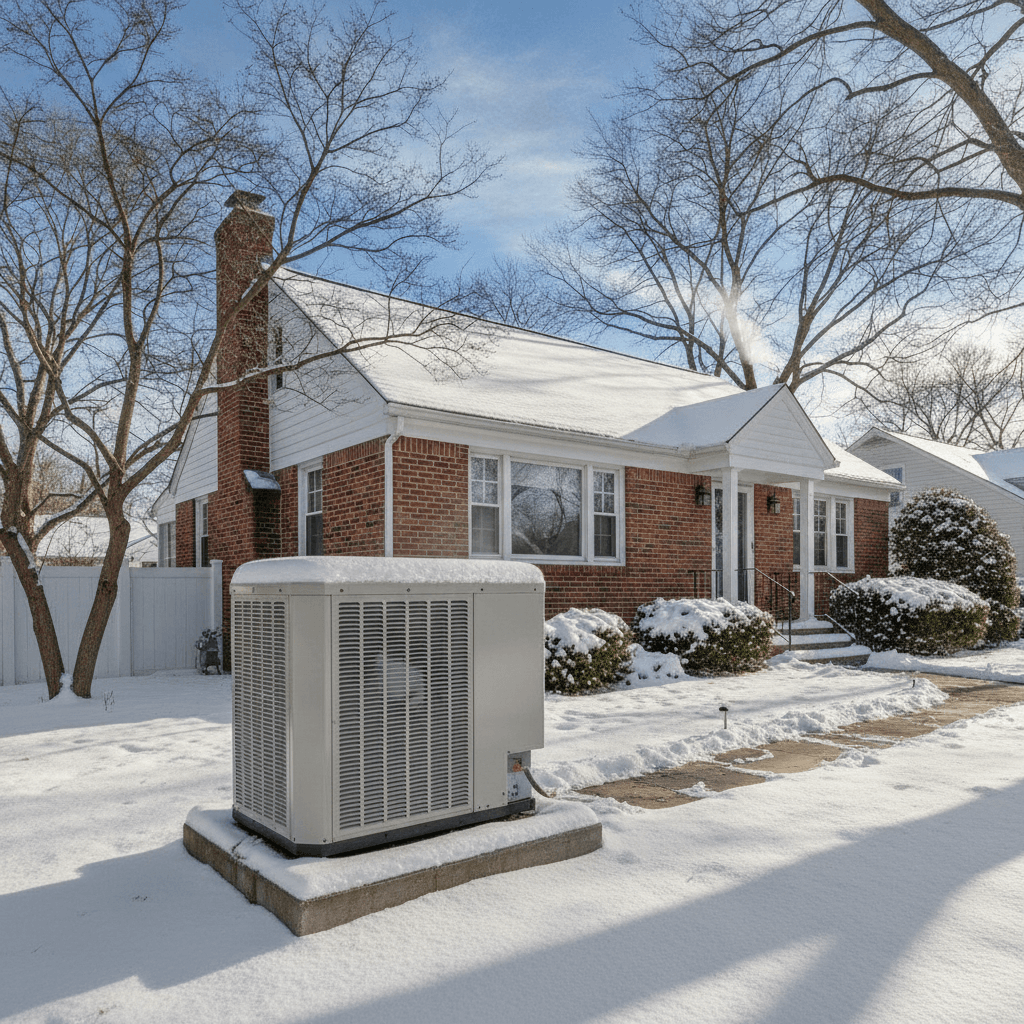
Living in Quincy, Massachusetts, you know our winters can be tough. When it comes to heating your home, you want something reliable. You might have heard a lot about heat pumps lately, especially with all the talk about energy savings and Mass Save rebates. But if you are like many of your neighbors in Greater Boston, you probably have one big question: Can a heat pump actually keep my house warm when it is freezing cold outside in January?
It is a fair question. For years, heat pumps had a reputation for struggling in very cold weather. That old idea made sense back then. But heating technology has changed a lot. Today's cold climate heat pumps are built differently. They are designed to handle the icy winds and deep freezes we get here in New England. Let us look at what has changed and what you can expect from a modern heat pump in your Quincy home.
The Old Story: Why Heat Pumps Got a Bad Rap in Cold Climates
Years ago, standard heat pumps were not the best choice for places like Massachusetts. They worked well enough when the outdoor temperature stayed above freezing, maybe in the 30s or 40s. But once the thermometer dipped much lower, their ability to pull heat from the outside air dropped off quickly.
When it got really cold, these older heat pumps would often switch to a backup heating system, usually electric resistance coils. Think of it like a giant toaster in your air ducts. While it kept your home warm, it used a lot of electricity. This made the heat pump seem expensive to run during the coldest parts of winter.
This experience led many homeowners in Quincy and other cold areas to believe that heat pumps were only good for mild climates or for cooling in the summer. The technology simply had not caught up to the demands of a harsh New England winter.
The problem was not with the basic idea of a heat pump. It was about how well they could extract heat from very cold air and how efficient they stayed while doing it. Engineers knew they needed to do better for places like ours.
This older generation of heat pumps often struggled to provide enough warmth without relying heavily on costly electric backup heat. This meant higher energy bills for homeowners when they needed the most heat, reinforcing the idea that heat pumps were not truly a primary heating source for cold regions.
The design of the compressor and the type of refrigerant used were key limitations. They simply were not optimized for extreme cold. This meant that while heat pumps offered great cooling in summer, their winter performance was a significant drawback for homes in places like Braintree or Weymouth.
Homeowners who tried these older systems often found themselves disappointed. They might have saved money on heating during the fall and spring, but come January and February, their electric bills would skyrocket. This created a lasting impression that heat pumps were not truly a primary heating source for cold regions.
However, the demand for more energy-efficient heating and cooling options pushed manufacturers to innovate. They knew that if heat pumps could work reliably in cold climates, they would be a game changer for homeowners looking to reduce their carbon footprint and save on energy costs.
This led to a new focus on developing specialized components and advanced controls that could overcome the challenges of operating in sub-freezing temperatures. The goal was to make heat pumps a viable, year-round solution, even for the coldest parts of Massachusetts.
How Modern Heat Pumps Changed the Game for New England Winters
Today, things are very different. The heat pumps we install in Quincy and across Greater Boston are called "cold climate heat pumps." These are not your grandparents' heat pumps. They are engineered specifically to work efficiently even when temperatures drop well below freezing.
The biggest improvements are in the compressor technology and the refrigerants they use. Modern cold climate heat pumps have special variable-speed compressors. These compressors can speed up or slow down as needed, allowing them to extract more heat from the cold outdoor air than older models could.
They also use refrigerants that can absorb heat more effectively at lower temperatures. This means they can still find warmth in the air when it is 0 degrees Fahrenheit or even colder. Many models are now rated to provide nearly full heating capacity down to 5 degrees Fahrenheit and still provide useful heat down to -15 degrees Fahrenheit or even -20 degrees Fahrenheit.
These advances mean that a modern heat pump can be the primary heating system for your Quincy home for most of the winter. They are designed to keep you comfortable without constantly relying on a costly backup heat source, making them a truly energy-efficient option for heat pump installation and service in our area.
The variable-speed compressors also allow the heat pump to adjust its output precisely to your home's needs. Instead of just turning on or off, it can run at a lower, steadier speed. This not only saves energy but also provides more consistent and comfortable heating, avoiding the hot and cold spots you might get with other systems.
Another key innovation is the use of enhanced coils and advanced defrosting controls. These features help the outdoor unit maintain its efficiency by preventing ice buildup, which was a common issue with older models. This means less downtime and more reliable heating performance when you need it most.
Many cold climate heat pumps also come with features like "hyper-heating" technology. This allows them to maintain a higher percentage of their rated heating capacity at very low temperatures. This is crucial for ensuring your home stays warm even during the coldest stretches of a Massachusetts winter.
The government and utility companies, like Mass Save, have also recognized these improvements. They offer significant Mass Save rebates for installing these high-efficiency cold climate heat pumps, which further highlights their effectiveness and suitability for our region.
These modern systems are not just about keeping you warm; they are also about doing it efficiently. By using less energy to provide the same amount of heat, they help homeowners in Quincy reduce their carbon footprint and enjoy lower utility bills throughout the heating season.
Understanding How a Heat Pump Heats Your Home
To understand why modern heat pumps work so well, it helps to know how they actually heat your home. Unlike a furnace or a boiler, a heat pump does not burn fuel to create heat. Instead, it moves heat from one place to another.
In the winter, even when it is very cold outside, there is still some heat energy in the air. A heat pump works like an air conditioner in reverse. It absorbs this outdoor heat using a special liquid called refrigerant. The refrigerant flows through coils in the outdoor unit, picking up heat from the cold air.
Once the refrigerant has absorbed heat, it goes to a compressor, which squeezes it. This squeezing raises the temperature and pressure of the refrigerant. The now hot refrigerant then moves to the indoor unit.
Inside your Quincy home, the hot refrigerant releases its heat into your home's air. A fan blows this warmed air through your ducts, or directly into rooms if you have a ductless mini-split system. As the refrigerant cools down, it flows back outside to pick up more heat, and the cycle continues.
Because a heat pump is simply moving heat rather than creating it, it can be much more energy-efficient than traditional heating systems. It uses electricity mainly to run the compressor and fans, not to generate heat directly. This is why it is such an attractive option for energy savings.
Even when the outside air feels freezing to us, it still contains thermal energy that the refrigerant can absorb. The trick is for the heat pump to do this efficiently. Modern cold climate models are designed to maximize this heat transfer, even at very low temperatures.
Think of it like a sponge soaking up water. The heat pump's refrigerant acts like that sponge, absorbing what little heat is available in the cold outdoor air and then releasing it inside your warm home. It is a continuous, energy-saving process.
This process is also why heat pumps are often described as having a "Coefficient of Performance" or COP greater than 1. This means for every unit of electricity they consume, they deliver more than one unit of heat energy to your home. A typical electric furnace, by contrast, has a COP of 1, meaning it converts one unit of electricity into one unit of heat.
This fundamental difference in how heat is delivered is key to understanding the energy efficiency of heat pumps, especially when compared to older, less efficient heating methods that rely on burning fuel or direct electric resistance heating.
Capacity and Efficiency: What Happens When Temperatures Drop
It is true that as the outdoor temperature falls, a heat pump's ability to extract heat and its overall efficiency will decrease. This is a natural part of how they work. However, modern cold climate heat pumps are designed to have a much gentler drop-off in performance compared to older models.
Manufacturers provide "rated capacity" numbers for their heat pumps at different outdoor temperatures. For example, a heat pump might be rated to provide 36,000 BTUs of heat at 47 degrees Fahrenheit. But it is more important to look at its rated capacity at lower temperatures, like 17 degrees Fahrenheit or even 5 degrees Fahrenheit.
A good cold climate heat pump will still deliver a high percentage of its total heating capacity even when it is very cold. For instance, some models can deliver 70-80% of their rated capacity at 5 degrees Fahrenheit. This means they are still providing plenty of warmth for your Quincy home without needing much, if any, help from a backup system.
The efficiency of a heat pump is measured by its Coefficient of Performance (COP) or Heating Seasonal Performance Factor (HSPF). While these numbers will also decrease as temperatures drop, modern units maintain impressive efficiency even in the cold. You might see a COP of 3.0 at 47 degrees Fahrenheit, which might drop to 2.0 at 5 degrees Fahrenheit. This still means it is twice as efficient as electric resistance heat.
What this tells you is that a properly sized cold climate heat pump can handle the vast majority of our Massachusetts winter days on its own. It will keep your home warm and comfortable, and do it much more efficiently than many traditional heating systems. The key is to look at the manufacturer's performance data for low ambient temperatures, not just the mild-weather ratings.
It is important to discuss these specific performance curves with your installer. They should be able to show you how a particular model performs at the "design temperature" for your area, which is the coldest temperature your heating system is expected to handle reliably in Quincy.
Understanding these ratings helps you compare different models and ensures you choose a heat pump that is truly capable of meeting your home's heating needs throughout the entire winter season, not just the milder parts.
This detailed performance data is a critical piece of information that separates a true cold climate heat pump from a standard model. It allows homeowners in places like Boston and its surrounding towns to make informed decisions about their heating investments.
Defrost Cycles: Why Your Outdoor Unit Might Look Like It's Steaming
One thing that sometimes surprises homeowners new to heat pumps is the defrost cycle. When the outdoor temperature is cold and the humidity is high, frost or ice can build up on the outdoor coil. This happens because the heat pump is pulling heat from the cold, moist air, which causes moisture to freeze on the coil.
If too much ice builds up, it can block airflow and reduce the heat pump's ability to absorb heat efficiently. To prevent this, the heat pump has an automatic defrost cycle. During this cycle, the system temporarily reverses its operation, sending warm refrigerant to the outdoor coil to melt the ice.
When this happens, you might see steam or vapor rising from the outdoor unit. This is perfectly normal and a sign that your heat pump is working correctly to keep itself running efficiently. It is not an indication of a problem or a fire. The melted ice will simply drain away from the unit.
During a defrost cycle, the heat pump might also temporarily switch to its backup heating system, if you have one, to ensure your home stays warm. These cycles usually last only a few minutes, and your home's temperature will not drop noticeably.
Modern cold climate heat pumps have smart defrost controls that only activate when needed, minimizing the frequency and length of these cycles. This helps maintain efficiency and comfort. So, if you see steam coming from your outdoor unit on a cold, damp day, there is no need to panic.
It is just your heat pump doing its job to clear the ice and keep providing efficient heat. Your installer can explain how often to expect these cycles and what to look for to ensure everything is operating as it should.
Understanding the defrost cycle is important for new heat pump owners in Quincy. Knowing what is normal helps avoid unnecessary worry and ensures you feel confident in your system's operation during cold weather.
This feature is a testament to the advanced engineering in today's heat pumps, ensuring they can operate reliably and efficiently even in challenging winter conditions, including those snowy days we often experience in Massachusetts.
When Heat Pumps Need a Helping Hand: Honest Limitations
While modern cold climate heat pumps are incredibly capable, it is important to be honest about their limits. No heating system is perfect for every situation, and heat pumps are no exception.
One of the biggest factors is proper sizing. An undersized heat pump will struggle to keep your home warm during a deep cold snap, no matter how advanced it is. This is why a thorough heat pump installation process, including a load calculation, is so important.
Another limitation comes from your home's insulation and airtightness. If your Quincy home is very leaky or poorly insulated, a heat pump will have to work much harder to maintain a comfortable temperature. This can reduce its efficiency and might lead to colder spots, especially near drafty windows or walls. Addressing these issues first can greatly improve heat pump performance.
Finally, there are those extreme cold snaps. While cold climate heat pumps work well down to very low temperatures, there might be a few days each winter when temperatures plunge to -10 degrees Fahrenheit or colder. During these times, even the best heat pump might struggle to keep up on its own, especially if it is running at maximum capacity for extended periods.
This is where a backup or "supplemental" heating system comes into play. Many homeowners in Massachusetts choose a "dual-fuel" system, where a heat pump is paired with a high-efficiency furnace or boiler. The heat pump handles most of the heating, and the furnace or boiler kicks in only when temperatures drop below a certain point, ensuring you always stay warm.
This dual-fuel approach gives you the best of both worlds: the high efficiency and energy savings of a heat pump for most of the winter, and the reliable warmth of a traditional system for the coldest days. It is an honest approach to heating in our climate.
It is crucial to discuss these potential scenarios with your HVAC contractor. They can help you understand the specific performance of a heat pump in your home and advise on whether a dual-fuel system is the right choice for your comfort and budget.
Being realistic about these limitations helps you make an informed decision and ensures you have a heating solution that provides consistent comfort, even during the most challenging parts of a Massachusetts winter.
The Importance of a Proper Load Calculation for Your Quincy Home
This is perhaps the most critical step in ensuring your heat pump will keep your Quincy home warm in January: a proper load calculation. This is not a guess; it is a detailed scientific assessment of your home's specific heating needs.
A load calculation, often done using a method called Manual J, looks at many factors unique to your house. It considers the size of your home, the number and type of windows, the amount of insulation in your walls and attic, and how airtight your home is. It also takes into account the local climate, including the "design temperature" for Quincy, which is the typical coldest temperature your heating system needs to handle.
Without a proper load calculation, an installer might recommend a heat pump that is too small or too large. An undersized unit will struggle to heat your home during cold weather, leading to discomfort and higher energy bills as it constantly tries to catch up. An oversized unit will cycle on and off too frequently, which can also reduce efficiency and wear out components faster.
A reputable HVAC contractor will insist on performing a detailed load calculation before recommending any equipment. This ensures the heat pump they propose is perfectly matched to your home's unique heating and cooling demands. It is the foundation of a comfortable and efficient heating system.
This step is far more important than just looking at the square footage of your house. Every home in Quincy is different, even those of similar size. Factors like sun exposure, ceiling height, and even the number of occupants can affect how much heating power you need.
When you get an estimate, ask about the load calculation. It shows that your contractor is committed to providing a solution tailored to your home, not just selling you a standard unit. This attention to detail is what separates a truly effective heat pump installation from a problematic one.
For homeowners in towns like Milton or Randolph, understanding this process is key to making sure your investment in a heat pump pays off in comfort and energy savings. It is the best way to prove that a heat pump will indeed work for your specific house.
What to Ask Your Installer: Proving It For Your House
When you are talking to an HVAC contractor about a new heat pump for your Quincy home, do not be afraid to ask tough questions. You want to feel confident that your investment will keep you warm through the coldest Massachusetts winter days. Here are the key things to ask to ensure you get the right system:
- "Will you perform a Manual J load calculation for my home?" This is non-negotiable. If they say no, or try to eyeball it, find another contractor. This calculation is how they determine the exact heating capacity your home needs.
- "What is the rated heating capacity of this specific heat pump model at Quincy's design temperature?" Do not accept brochure claims about mild temperatures. Ask for the performance data at the actual coldest temperatures your home will experience. This might be 5 degrees Fahrenheit or even 0 degrees Fahrenheit, depending on the specific design temperature used for your area.
- "What is the Coefficient of Performance (COP) or Heating Seasonal Performance Factor (HSPF) of this unit at those low temperatures?" This tells you how efficient the unit will be when it is really cold outside. A higher number means better efficiency.
- "What is your recommendation for supplemental heat, if any?" Discuss whether a dual-fuel system with a furnace or boiler is recommended for your home, especially if you live in an older home or have specific concerns about very deep cold snaps. Understand when that backup system would kick in.
- "Can you show me references from other homeowners in the Quincy area who have installed this type of cold climate heat pump?" Hearing from local residents who have experienced a winter with their new system can provide valuable peace of mind.
A trustworthy installer will be happy to provide detailed answers and show you the data. They should be able to explain how the specific heat pump they recommend will perform in your unique home and climate. This transparency is a sign of a professional who stands behind their work.
By asking these questions, you are not just buying a piece of equipment; you are investing in a heating solution tailored to your home and our tough New England winters. This careful approach ensures your heat pump will deliver the comfort and savings you expect, even when the snow is falling in Quincy.
Remember, the goal is to feel warm and comfortable all winter long, without worrying about your heating system failing you when you need it most. A good contractor will help you achieve that peace of mind.
Conclusion: Your Quincy Home Can Stay Warm with a Modern Heat Pump
The answer to whether a heat pump can keep your Quincy home warm in January is a resounding yes, thanks to modern cold climate technology. The days of heat pumps struggling in freezing temperatures are largely behind us. Today's systems are designed to handle the harsh realities of a Massachusetts winter, providing efficient and reliable heat for most of the season.
We have seen how these advanced heat pumps move heat more effectively, maintain capacity in the cold, and manage defrost cycles without issue. We have also been honest about their limitations and the importance of proper sizing and, sometimes, a supplemental heating source for those extreme cold snaps.
The key to success lies in working with an experienced local HVAC contractor who understands our climate and takes the time to properly assess your home's specific needs. By asking the right questions about load calculations and performance data, you can ensure your new heat pump is perfectly matched to keep your family warm and comfortable all winter long in Quincy.
Embracing a cold climate heat pump means embracing a more energy-efficient and environmentally friendly way to heat your home, with the added benefit of air conditioning for those humid New England summers. It is a smart investment for your comfort and your wallet.
Get a Quote
Tell us what's going on. We'll call you back.