Dual Fuel Heat Pump and Furnace in Brookline, MA: Keeping Your Existing Heating System
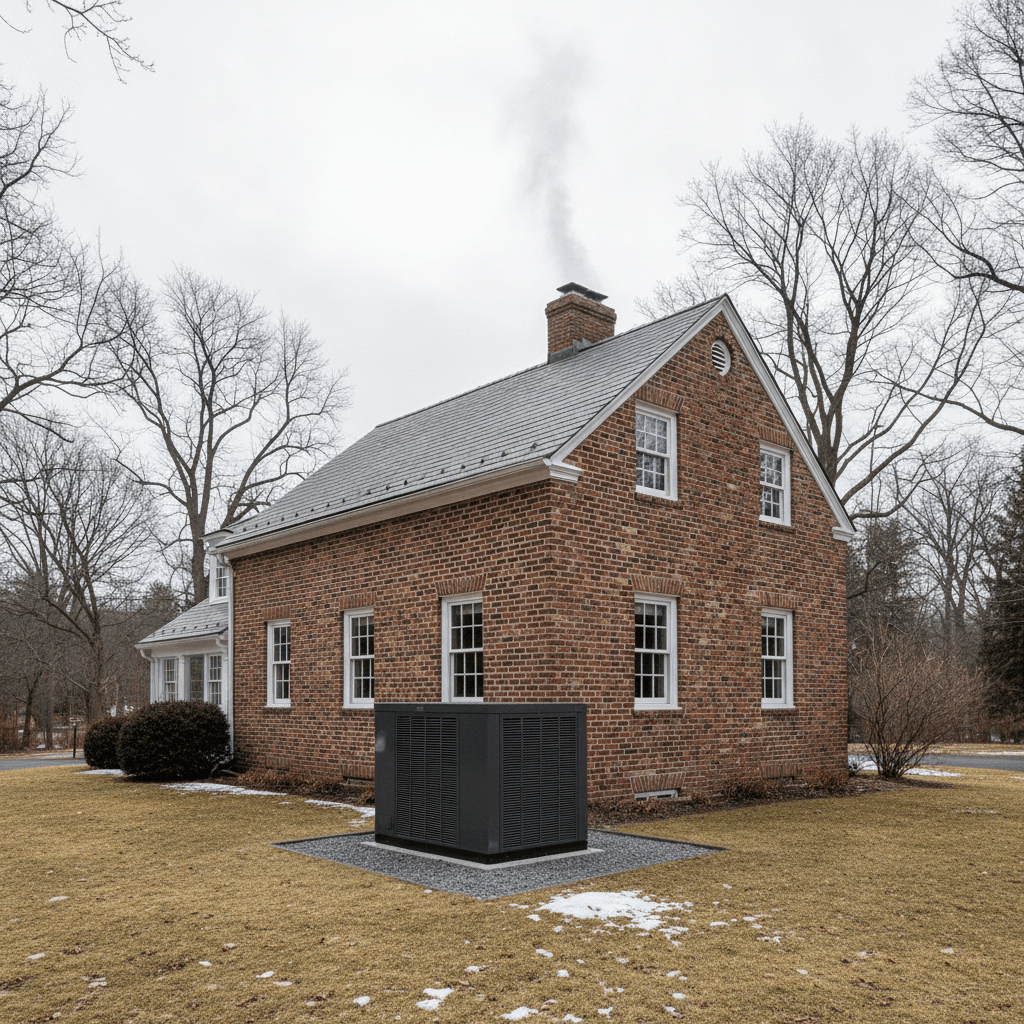
Homeowners in Brookline, MA, and across Greater Boston often face a big question when upgrading their heating: Do I rip out my old system entirely, or can I keep it as a backup? It is a common concern, especially with our cold Massachusetts winters and many homes relying on solid, older boilers or furnaces.
The good news is there is a middle path that many homeowners find appealing. It is called a dual-fuel or hybrid heating system. This setup lets you enjoy the energy savings of a new heat pump while keeping your existing furnace or boiler for those truly frigid days. Let us break down how this practical solution works for your Brookline home.
What is a Dual-Fuel or Hybrid Heating System?
A dual-fuel heating system, also known as a hybrid system, combines two different heating sources to warm your home. Typically, it pairs an electric heat pump with a traditional fossil-fuel furnace or boiler. The idea is to use the most efficient system for the current weather conditions.
For most of the year, especially in milder temperatures, the heat pump does all the work. It is incredibly efficient. When temperatures drop very low, your existing furnace or boiler steps in to provide extra warmth. This blend gives you the best of both worlds: energy savings and reliable heat, even on the coldest days.
Why Brookline Homes Need Smart Heating Choices
Brookline, like many older communities around Boston, has a lot of homes built decades ago. These homes often feature robust hydronic heating systems, meaning they use boilers to heat water that circulates through radiators or baseboard heaters. Many of these boilers are still working well and homeowners are understandably reluctant to replace them.
Our Massachusetts winters can be brutal, with temperatures often dipping well below freezing. While heat pumps are very capable, some homeowners worry about their performance in extreme cold. A dual-fuel heat pump furnace Massachusetts setup offers peace of mind, ensuring your home stays warm no matter how low the mercury drops. It is a practical solution for adapting modern, energy-efficient technology to existing home infrastructure.
How a Hybrid System Works: Heat Pump First, Furnace Second
In a hybrid heating system, the heat pump is your primary heater for most of the year. A heat pump works by moving heat, not creating it. In winter, it pulls heat from the outside air, even when it is cold, and moves it inside your home. This process is very efficient because it uses electricity to move heat, rather than burning fuel to generate it.
As outdoor temperatures fall, a heat pump's efficiency can decrease. This is where your existing furnace or boiler comes in. The system is set up to automatically switch to your furnace or boiler when it gets too cold for the heat pump to efficiently keep your home warm. This automatic changeover ensures consistent comfort and prevents your heat pump from overworking in extreme conditions.
For homes with existing ductwork, adding a heat pump means it can use the same ducts as your furnace. If you have a boiler and no ducts, a ductless mini-split heat pump system can be integrated to work alongside it, providing heating and cooling without needing new ductwork. This is often ideal for older Boston-area homes. You can learn more about ductless mini-split systems here.
Setting the "Changeover Point" for Comfort and Savings
The key to a successful dual-fuel heating system is setting the "changeover point." This is the specific outdoor temperature at which your system switches from using the heat pump to using your furnace or boiler. This point is not one-size-fits-all; it depends on several factors, including the efficiency of your heat pump, the cost of electricity versus natural gas or oil, and your personal comfort preferences.
For example, you might set your system to switch from the heat pump to your furnace when the outdoor temperature drops to 25 degrees Fahrenheit. Above this temperature, the heat pump handles the heating. Below it, your furnace takes over. This ensures you are always using the most cost-effective and efficient heating source for the conditions.
Our A.W. Puma Home Services experts can help you determine the optimal changeover point for your Brookline home. We consider your specific furnace or boiler, your new heat pump, local energy costs, and your family's comfort needs to program your thermostat correctly. This careful setup ensures you get the most out of your hybrid heating system heat pump backup.
Mass Save Rebates: Whole-Home vs. Partial-Home Explained
When considering a heat pump installation in Massachusetts, Mass Save rebates are a significant factor. However, the rebate amount can differ greatly depending on whether you go for a "whole-home" or "partial-home" heat pump system. This is a critical distinction for dual-fuel setups.
Mass Save's whole-home rebate generally offers substantial incentives, often up to $2,650 per ton of heating capacity, with a maximum of $8,500. To qualify for this higher tier, the heat pump typically needs to become the primary heating system, displacing your existing fossil-fuel furnace or boiler. This means your old system is either removed or decommissioned as a primary heat source, with the heat pump designed to handle 100% of your home's heating needs.
If you choose to keep your existing furnace or boiler as an active backup, which is the definition of a dual-fuel or hybrid system, you usually fall into the partial-home heat pump rebate Mass Save tier. This tier offers a lower incentive, often around $1,125 per ton, though it still has the same maximum cap of $8,500. While still a valuable saving, it is materially less money per ton than the whole-home rebate.
This difference in rebates is why understanding your goals for a dual-fuel heat pump furnace Massachusetts system is so important. The financial incentives are a big part of the project's overall cost. You can find more details on current Mass Save programs on our Mass Save information page.
When Going "All-In" on a Heat Pump Makes Sense
For some Brookline homeowners, opting for a whole-home heat pump system that fully displaces their existing furnace or boiler is the best choice. This path often makes the most sense in a few situations:
- End-of-Life System: If your furnace or boiler is old, inefficient, and nearing the end of its lifespan, replacing it entirely with a new, high-efficiency heat pump can be a smart move. You avoid future repair costs on an aging system and maximize your energy savings from day one.
- High Energy Bills: Homes with very high heating bills, especially those using oil or propane, often see the biggest savings by switching entirely to an electric heat pump. The operational cost of a heat pump is typically much lower than burning fossil fuels.
- Oil Heat Households: For homeowners in towns like Brockton or other areas with a strong reliance on oil heat, the case for going all the way with a heat pump is often strongest. Oil is typically the most expensive heating fuel, and switching can lead to dramatic savings.
- Maximizing Rebates: If qualifying for the higher whole-home Mass Save rebate is a top priority, and your home is well-suited for a heat pump to handle 100% of the load, this path offers the most upfront financial assistance.
Our team can help you assess if your Brookline home is a good candidate for a full heat pump conversion. We look at factors like insulation, window quality, and existing ductwork to ensure a heat pump can effectively heat your entire home.
When Keeping Your Existing System is the Right Call
While the whole-home approach has its benefits, many homeowners find that keeping boiler add heat pump or a heat pump with furnace backup is the more practical and comfortable solution. This partial-home or hybrid approach is ideal for:
- Nervous First-Time Buyers: If you are new to heat pumps and want to ease into the technology, keeping your trusted furnace or boiler provides a familiar backup. It offers peace of mind during your first winter with the new system.
- Young, Healthy Boilers or Furnaces: If your existing heating system is relatively new, well-maintained, and has many years of life left, it might not make financial sense to rip it out. A hybrid system allows you to leverage your existing investment while adding efficiency.
- Cost-Conscious Upgrades: While the partial-home rebate is lower, the overall upfront cost might be less if you are not replacing an entire system. This can make the project more accessible for some budgets.
- Homes with Unique Heating Needs: Some older, larger homes in Brookline might have specific heating zones or areas that benefit from the consistent, radiant heat of a boiler, even if a heat pump handles most other areas.
Choosing to keep boiler add heat pump or a furnace backup is a smart, balanced approach. It allows you to enjoy the benefits of modern heat pump technology without completely abandoning a system that still serves you well. This hybrid heating system heat pump backup strategy is gaining popularity for its flexibility.
Understanding the Cost of a Heat Pump with Furnace Backup
The cost of installing a heat pump with furnace backup, or a hybrid system, varies depending on several factors. These include the size and type of heat pump needed, whether you are installing a ducted or ductless system, the complexity of integrating it with your existing furnace or boiler, and any necessary upgrades to your electrical panel.
Generally, a hybrid setup can be a more affordable initial investment than a full system replacement if your existing furnace or boiler is relatively new. You are adding a heat pump, rather than replacing two major components. However, the operational savings over time are also a key part of the cost discussion.
While the partial-home Mass Save rebate is lower per ton, it still helps offset the upfront cost. It is important to get a detailed estimate that breaks down equipment, labor, and potential rebate savings. Our team provides clear, transparent quotes for heat pump with furnace backup cost projects in Brookline and surrounding towns like Newton and Needham.
Remember, the goal is not just the lowest upfront cost, but the best long-term value for your home's comfort and energy efficiency. A well-designed hybrid system can significantly reduce your heating bills for years to come.
Making the Best Choice for Your Brookline Home
Deciding between a whole-home heat pump system and a dual-fuel hybrid setup is a big decision for any homeowner in Brookline, MA. There is no single right answer; it depends on your specific home, your existing heating system, your budget, and your comfort preferences.
The most important step is to get personalized advice from a trusted local HVAC expert. We can assess your current heating system, evaluate your home's energy needs, and explain the pros and cons of each option in detail. We will also walk you through the current Mass Save rebate programs and help you understand how they apply to your situation, ensuring you make the most informed decision.
Keep in mind that Mass Save program terms, including rebate tiers and amounts, can be revised. It is always best to confirm the most current program details with your installer during your consultation. We are here to help you navigate these choices and find the perfect dual-fuel heat pump furnace Massachusetts solution for your home.
Ready to explore hybrid heating for your Brookline home? Contact us today for an estimate.
Get a Quote
Tell us what's going on. We'll call you back.