Mass Save Home Energy Assessment in Cambridge, MA: Why It Comes Before Your Heat Pump
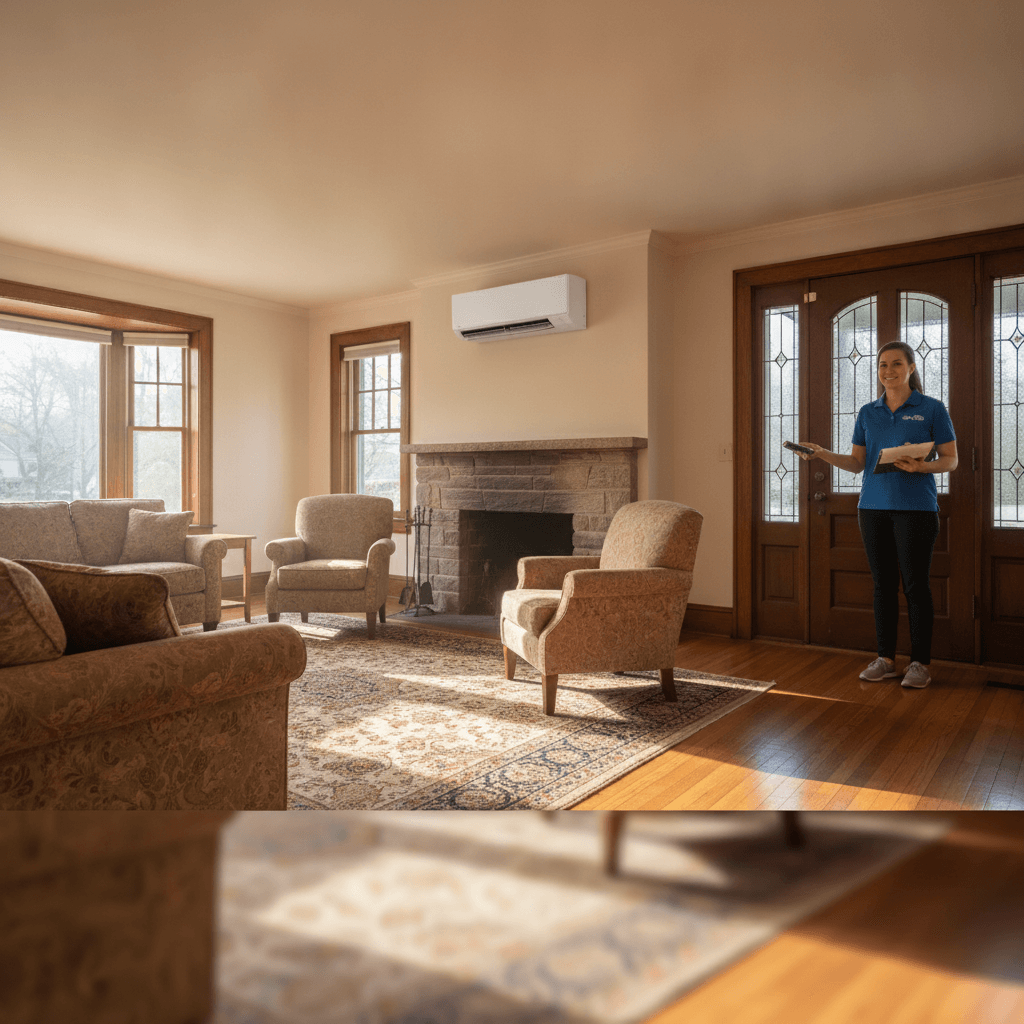
Here at A.W. Puma Home Services, we help homeowners across Boston and Greater Boston, Massachusetts, make their homes more comfortable and energy efficient. We often talk to folks in Cambridge who are interested in upgrading to a modern heat pump system. Heat pumps are a great choice for heating and cooling, especially with the cold Massachusetts winters and humid New England summers. But many people ask a common question: "Why does Mass Save want me to get a home energy assessment before I can get my heat pump rebate?"
It is a fair question, and the answer makes a lot of sense from an engineering point of view. Mass Save has a process in place that helps you get the most out of your new heat pump. It also helps you save more money in the long run. We are going to walk you through why this no-cost home energy assessment is the first and most important step in your heat pump journey.
We will explain what happens during the assessment. We will also cover why improving your home's insulation and air sealing first is so important. This step helps make sure your new heat pump is sized right for your home. It also makes sure it works as well as it should. This guide will help Cambridge homeowners understand the whole process, from that first assessment to enjoying a new, efficient heat pump system.
What is a Mass Save Home Energy Assessment, Anyway?
A Mass Save home energy assessment is a free service offered to residents across Massachusetts. It is designed to help you understand how your home uses energy. It also shows you where you might be losing energy. This assessment is not a sales call for a specific heating or cooling system. Instead, it is a helpful review of your home's energy performance.
During the assessment, a trained Mass Save energy specialist visits your home. They look at your insulation levels, check for drafts, and inspect your heating and cooling systems. They use special tools to find problems you might not even know about. The goal is to identify ways to make your home more comfortable and cut down on your energy bills. This first step is crucial for any major home energy upgrade, like installing a heat pump.
For homeowners in Cambridge, especially those in older homes, this assessment can be very eye-opening. Many older homes were not built with today's energy standards in mind. This means there are often many places where heat can escape in winter or enter in summer. The assessment helps pinpoint these exact spots. It sets the stage for smart improvements that will benefit you for years to come.
The Engineering Logic: Why Weatherization Matters Before a Heat Pump
This is the most important part to understand. Think of your home as a big box. The walls, roof, windows, and foundation make up what we call the "building envelope." If this box has a lot of holes or thin spots, heat will easily leak out in the winter. In the summer, hot air will easily leak in. No matter how good your heating or cooling system is, it will have to work much harder to keep up if your home is leaky.
When your home is drafty or poorly insulated, it needs a much bigger heat pump to handle the energy loss. A bigger heat pump costs more money to buy and install. Even worse, if the heat pump is too big for a well-insulated home, it might "short-cycle." This means it turns on and off too often. Short-cycling wastes energy, puts more wear and tear on the system, and can make your home feel less comfortable because it is not running long enough to properly dehumidify or evenly heat/cool.
The smart approach is to fix the "box" first. By adding insulation and sealing up air leaks, you reduce how much heating and cooling your home actually needs. This means you can install a smaller, more efficient, and less expensive heat pump. This smaller system will run longer, more consistently, and keep your home much more comfortable. It is like putting a strong engine in a car with a good fuel tank, rather than a giant engine in a car that leaks gas everywhere. The goal is efficiency and comfort, not just raw power.
The No-Cost Home Energy Assessment: Your First Step
Getting your Mass Save home energy assessment is simple, and remember, it costs you nothing. This is not a service you pay for out of pocket. It is part of the Mass Save program, which aims to help Massachusetts residents save energy and money. To get started, you can visit the Mass Save website or call them directly. They will help you schedule an appointment with a qualified energy specialist.
When the specialist comes to your Cambridge home, they will be there to help you. They will explain everything they are doing and why. You will get a clear picture of your home's energy strengths and weaknesses. This assessment is truly about education and empowerment. It gives you the knowledge you need to make smart choices about your home's energy future. It is the foundation for any heat pump project.
This initial assessment is not about pushing you to buy anything. It is about giving you data and recommendations. The specialist will provide a detailed report. This report will outline specific steps you can take to improve your home's energy efficiency. It is the starting point for unlocking those valuable Mass Save rebates, including those for heat pumps and weatherization.
What Happens During the Assessment? A Closer Look
When the Mass Save energy specialist arrives at your Cambridge home, they will perform several key checks. These checks help them get a full picture of your home's energy performance. The process usually takes a few hours, depending on the size and complexity of your home. They will be looking for common areas of energy loss that are especially prevalent in older homes found throughout Cambridge and nearby Somerville.
Visual Inspection
The specialist will walk through your home, from the basement to the attic. They will look at your existing insulation levels in walls, ceilings, and floors. They will also check windows and doors for drafts. They might also inspect your heating and cooling equipment to see its general condition and age. This visual check helps them spot obvious areas where energy might be escaping.
Blower Door Test
One of the most important tools they use is a "blower door." This is a large fan that is temporarily set up in an exterior doorway. The fan creates a slight pressure difference between inside and outside your home. This makes air leaks much more noticeable. The specialist can then use a smoke pencil or their hand to feel where drafts are coming from. This test helps find hidden cracks and gaps that let air in and out.
Thermal Camera Scan
Another neat tool is a thermal camera. This camera "sees" heat. It shows areas where heat is escaping or entering your home through walls, ceilings, and around windows. Cold spots on the camera indicate poor insulation or air leaks. This visual evidence can be very powerful, showing you exactly where your home needs attention. It is like having X-ray vision for your home's energy performance.
The specialist might also install some direct-install energy-saving items right then and there. These often include LED light bulbs, advanced power strips, and low-flow showerheads. These items are free and start saving you energy immediately. They are a nice bonus to the overall assessment process.
The Mass Save Weatherization Recommendations
After the assessment, the energy specialist will give you a detailed report. This report will list specific recommendations for improving your home's energy efficiency. These recommendations are often called "weatherization" improvements. They focus on making your home's building envelope tighter and better insulated. For many Cambridge homes, this means addressing common issues like old, drafty windows or insufficient attic insulation.
Common weatherization recommendations include:
- Adding more insulation to your attic, walls, or basement.
- Sealing air leaks around windows, doors, and utility penetrations.
- Weatherstripping and caulking to prevent drafts.
- Improving ventilation in certain areas to prevent moisture problems.
These improvements are not just about saving energy. They also make your home much more comfortable. You will notice fewer cold spots in winter and a more consistent temperature throughout your home. This is especially true for older homes in Cambridge, where uneven heating and cooling can be a real issue. The recommendations are tailored to your specific home's needs, not a one-size-fits-all solution.
Unlocking the $500 Weatherization Bonus
Mass Save understands that making weatherization improvements can involve some upfront costs. That is why they offer a valuable incentive: the Mass Save weatherization bonus. This bonus can put an extra $500 back in your pocket. It is designed to encourage homeowners to complete the recommended weatherization work before installing a new heating or cooling system like a heat pump.
To qualify for this $500 bonus, you simply need to complete the weatherization work recommended in your no-cost home energy assessment report. Once the work is done, you can apply for the bonus through Mass Save. This bonus helps offset the cost of insulation, air sealing, or other envelope improvements. It makes the decision to weatherize even more financially appealing. It is a clear reward for doing things in the right order.
This bonus shows how much Mass Save values weatherization. They know that a well-sealed and insulated home is the foundation for true energy efficiency. Without it, even the most advanced heat pump will struggle to perform at its best. Taking advantage of this bonus is a smart financial move that also sets your home up for optimal heat pump performance and long-term savings.
Sequencing Your Project: Assessment, Weatherization, Heat Pump
Now that you understand the "why," let's talk about the "how." The process for getting a heat pump with Mass Save rebates, including the weatherization bonus, follows a clear sequence. Following these steps will help you maximize your savings and ensure your new system works perfectly for your Cambridge home.
Step 1: Schedule Your No-Cost Home Energy Assessment. This is always the very first thing to do. Contact Mass Save or a program administrator to set up your free assessment. This step gives you the blueprint for your home's energy improvements.
Step 2: Review Recommendations and Get Weatherization Quotes. Once you have your assessment report, look at the recommended weatherization work. Get quotes from qualified contractors for things like insulation upgrades and air sealing. You will want to choose a contractor who can perform the work to Mass Save standards.
Step 3: Complete Weatherization Work. This is where you make your home's "box" more efficient. Get the recommended insulation and air sealing work done. This step is crucial for reducing your home's heating and cooling load. It also makes you eligible for that $500 weatherization bonus.
Step 4: Contact A.W. Puma Home Services for Heat Pump Consultation. Once your weatherization is complete, your home is ready for a heat pump. This is the time to reach out to us. We will assess your home's new, improved energy profile. We will then recommend the right size and type of heat pump system for your specific needs. Our team understands the nuances of older Boston-area homes and how to best integrate modern HVAC solutions.
Step 5: Install Your New Heat Pump System. Our skilled technicians will install your energy-efficient heat pump. We ensure everything is set up correctly for optimal performance and comfort. We handle all types of heat pump installations, from central systems to ductless mini-splits, which are great for homes without existing ductwork. You can learn more about our heat pump services here: A.W. Puma Home Services Heat Pump Installation.
Step 6: Apply for Mass Save Rebates. After installation, we will help you navigate the process of applying for your Mass Save heat pump rebates and the $500 weatherization bonus. We are familiar with the paperwork and requirements to make sure you get all the savings you are eligible for. We can guide you through the latest Mass Save programs and offerings. You can find more information about Mass Save programs on our dedicated page: Mass Save Programs and Rebates.
Timing is Everything: Meeting Rebate Deadlines
Mass Save rebates, especially for heat pumps, are very popular. While they are usually available, the specific amounts and rules can change over time. Sometimes, there are deadlines for certain programs or specific rebate amounts. This is why timing your project correctly is important, especially for homeowners in Cambridge who want to take full advantage of these savings.
The entire process, from the initial no-cost home energy assessment to completing weatherization and then installing your heat pump, can take several weeks or even a few months. Scheduling the assessment, getting quotes for weatherization, and then having that work done takes time. Then, scheduling your heat pump installation also requires planning. It is not a quick, overnight process.
Our best advice is to start early. If you are thinking about a heat pump for next heating or cooling season, begin with the Mass Save home energy assessment now. Do not wait until the last minute, especially if you are aiming for a specific rebate that might have an end date. By planning ahead, you give yourself plenty of time to complete all the necessary steps. This helps avoid rushing or missing out on valuable incentives. A.W. Puma Home Services can help you plan and coordinate these steps to keep your project on track.
The Manual J Difference: Sizing Your Heat Pump Correctly
We have talked about why weatherization comes first. Now, let's connect it to how your heat pump is chosen. After your home is properly insulated and air-sealed, its heating and cooling needs change dramatically. This is where a professional load calculation, known as a "Manual J" calculation, becomes critical. Manual J is a detailed engineering method for determining the exact amount of heating and cooling a home needs. It considers factors like window size, insulation levels, local climate, and even the number of people living in the home.
If a Manual J calculation is done before weatherization, it will likely show that your home needs a much larger heat pump. This is because the calculation assumes your home is still leaky and inefficient. But once you complete weatherization, your home's energy load goes down. A new Manual J calculation will then show that you need a smaller, more appropriately sized heat pump. As we discussed in our post about proper sizing, "Heat Pump Sizing in Wellesley, MA: Why Bigger Isn't Better and How Manual J Helps," getting the right size is crucial for efficiency and comfort.
An undersized heat pump will struggle to keep your home comfortable on the coldest or hottest days. But an oversized heat pump will short-cycle, leading to wasted energy, premature wear, and poor humidity control. By doing the weatherization first, you ensure that the Manual J calculation is accurate. This means we can install a heat pump that is perfectly matched to your Cambridge home's actual needs. It will run efficiently, last longer, and keep you comfortable year-round.
Beyond Rebates: Long-Term Savings and Comfort for Cambridge Homes
While the Mass Save rebates and the $500 weatherization bonus are fantastic incentives, the benefits of following this process go far beyond the initial savings. By taking the time to weatherize your home first, and then installing a properly sized heat pump, you are investing in long-term comfort and lower energy bills. This is especially important for residents of Cambridge, where older housing stock often means higher energy consumption.
A well-insulated and air-sealed home with an efficient heat pump will use less energy every single day, year after year. This means significant savings on your utility bills, both for heating in the winter and cooling in the summer. You will also experience a more consistent and comfortable indoor temperature, with fewer drafts and cold spots. The air quality in your home can also improve, as less outside air infiltrates through uncontrolled leaks.
Furthermore, these energy-efficient upgrades can increase the value of your Cambridge home. Homebuyers are increasingly looking for properties with lower operating costs and modern, efficient HVAC systems. So, while you are enjoying a more comfortable home and lower bills today, you are also making a smart investment for the future. A.W. Puma Home Services is here to help you every step of the way, ensuring your home is ready for whatever the Massachusetts weather brings.
Get a Quote
Tell us what's going on. We'll call you back.